
Minimalist Packaging Design: Reducing Costs and Carbon Footprint

Packaging can often become more complicated than necessary. Extra sleeves, oversized boxes, plastic inserts, and multiple finishing processes may add visual layers but also increase material costs, production time, and shipping expenses. Minimalist packaging design adopts a more thoughtful approach by eliminating elements that do not provide practical or brand value, while maintaining the protection, clarity, and visual appeal that a product requires.
What Is Minimalist Packaging Design?


Minimalist packaging embraces the principle that "less is more," using fewer elements to communicate more clearly and leave a stronger impression. It employs simplified structures, fewer materials, and carefully selected visual elements to create packaging that feels intentional rather than plain. The goal is not to make every box appear empty or to remove features thoughtlessly. A successful design still protects the product, conveys essential information, and provides customers with a clear sense of the brand.
Visual restraint plays an important role in this approach. The use of white space, limited color palettes, readable typography, and the natural texture of paper help direct attention to the product name, material, or key message. Material efficiency design supports these decisions from the outset by considering material quantity, box dimensions, disassembly, and transport efficiency before production begins. This helps reduce material waste, energy consumption, and carbon emissions throughout the packaging lifecycle.
Benefits of Minimalist Packaging
The value of minimalist design extends far beyond appearance. It can influence purchasing decisions, manufacturing processes, packing density, logistics, and the package's fate after use.
1. Simplified Packaging Structure
Removing unnecessary sleeves, plastic holders, decorative layers, or excessive ink coverage can make packaging easier to produce and handle. Designing for material efficiency, such as using a mono-material format or creating structures with clearly separable parts, also gives users a more straightforward recycling process. Protection must remain the primary consideration, especially for heavy, delicate, or irregularly shaped products.
2. Minimized Material Usage, Energy Consumption, and Costs
Simplifying surface treatments and reducing assembly steps can enhance manufacturing efficiency by lowering production complexity and decreasing the energy required for processing. This is a key advantage of material efficiency design. However, premium paper stocks or intricate finishing can still increase costs, so each option should be carefully evaluated based on the product’s requirements.
3. Reduced Shipping Weight
A lighter package can reduce the load carried during distribution. Box dimensions are just as important as weight because unused internal space increases shipping volume, which still requires transportation. Using right-sized cartons and carefully planned fillers can minimize package volume without compromising product protection, thereby improving delivery efficiency and reducing transport-related emissions.
4. Improved Storage and Load Efficiency
Clean, regular shapes are easier to stack, pack into master cartons, and organize in storage areas. When packaging dimensions are designed to fit the product while aligning with master carton specifications, more units can fit into each shipment. This can improve warehouse utilization and reduce the number of cartons needed for each batch.
5. Stronger Brand Image
Minimalist packaging does not depend on numerous graphics to convey a premium feel. With fewer competing elements, the logo, paper texture, product category, and a single distinctive detail become more prominent. This focused presentation enhances brand recognition by making the packaging easier to identify and helping customers associate the visual style with the brand’s values. For gift packaging, a well-balanced layout, appropriate paper choice, and a single finishing technique can create an elegant impression without visual clutter.
6. Reducing Environmental Impact Through Eco-friendly Packaging Design
FSC-certified paperboard, paper-based structures, and controlled ink coverage are practical choices when they align with the product requirements and local disposal conditions. Eco-friendly packaging design should also consider whether the packaging can be easily recycled and if its materials can be recovered after use. By balancing materials, functionality, and brand presentation, packaging can reduce waste and environmental impact while helping consumers make more sustainable choices.
Minimalist Packaging Applications across Industries
Minimalism can be adapted to a wide range of packaging needs. While the design language may vary by industry, the emphasis on functional materials and clear communication remains consistent.
- E-commerce: Using product-specific outer cartons and minimizing fillers can enhance packing speed, improve shipping efficiency, and increase convenience when opening packages.
- Food & Beverages: A simpler outer box can draw attention to the product itself while avoiding decorative materials that do not improve protection or freshness.
- Cosmetics & Skincare: Utilizing white space, tactile paper, and a consistent visual system can effectively convey care and quality, preserving the brand’s refined and sophisticated aesthetic without relying on cluttered imagery.
- Electronics: Precisely designed inserts can securely hold devices, minimize unnecessary internal layers, and streamline the unboxing process.
- Industrial Products: Functional structures should prioritize specification labels, part protection, stacking, and handling information over decorative elements.
Case Studies on Minimalist Packaging Design
When structure, print, and material choices work together, fewer elements can create a more memorable result. The following examples demonstrate how Oriental Packing’s focused approach supports both brand presentation and responsible resource use.
1. Electronic Components: Natural Kraft Paper with Black Monochrome Printing
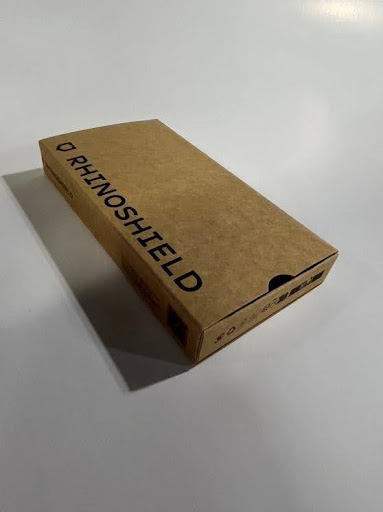
For an electronic components gift box, the design aimed to convey a natural, pure brand image while minimizing packaging costs and processing steps. The box uses brown kraft paper with black single-color printing, without any gloss coating, foil stamping, or other special finishes. Instead, the design expresses the brand spirit through carefully arranged white space and typography. This minimalist approach not only reduces material and processing expenses but also directs visual focus to the product itself. The natural paper’s simple texture and warmth further enhance a sincere, eco-friendly, and distinctive brand image.
2. Beverages: White Art Paper with a Foil-Stamped Logo
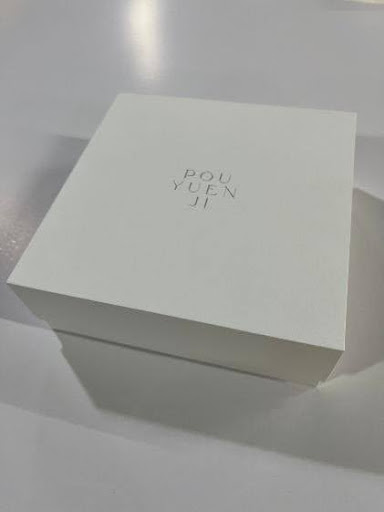
A tea gift box needed to convey a premium quality while avoiding the visual clutter of excessive patterns and colors. To balance simplicity with brand recognition, the design employed textured white art paper as the primary material and eliminated elaborate decorations, reserving foil stamping for the brand logo as the sole visual focal point. The seemingly simple package allowed the paper’s delicate texture to stand out more clearly and made the brand identity more distinctive. This case demonstrates that true minimalist design is not about indiscriminately reducing elements but about giving every detail with greater meaning.
FAQ
Conclusion: Striking a Practical Balance Between Cost and Environmental Responsibility


Effective minimalist packaging eliminates unnecessary layers and processes while maintaining protection, usability, and clear brand recognition. It offers a practical approach to making packaging more efficient without causing it to feel generic. Additionally, it helps brands communicate responsibility through thoughtful material choices and a more focused customer experience. When design, production, and logistics are considered together, minimalist packaging can support long-term value rather than merely reducing visual detail.
As the first company in Taiwan to complete an independent evaluation of social and environmental performance by EcoVadis, Oriental Packing offers comprehensive packaging support, from concept development and structural design to printing and production. With FSC and SEDEX certifications, we are committed to responsible manufacturing practices. If you are looking for a packaging partner for minimalist packaging design, Oriental Packing can help develop a solution that balances your brand identity, product protection, budget, and sustainability goals. With experience in customized packaging design and production, we work with brands to turn minimalist concepts into practical, production-ready packaging. Please contact us to discuss your minimalist packaging project.