
Smart Packaging: A Packaging Solution for Digital Branding
- What Is Smart Packaging, and Why Does It Matter?
- Types of Smart Packaging Technologies
- How Smart Packaging Enhances Brand Value and Boosts Conversion
- Smart Packaging Applications across Industries
- Case Studies on Oriental Packing's Smart Packaging
- FAQ
- Conclusion: Smart Packaging Is the Future of Brand Competition
Packaging has become an indispensable part of modern products and everyday life. As digital technology continues to advance, packaging is no longer limited to a physical container. It also serves as a bridge between products, brands, and consumers through smart packaging functions. Consumers can scan a package to discover a product’s origin, watch tutorials, access care instructions, or verify authenticity. Smart packaging transforms the package into a digital touchpoint that connects products with relevant information, verification features, and customer services throughout the purchasing journey.
What Is Smart Packaging, and Why Does It Matter?
Smart packaging combines physical packaging with technologies such as QR codes, NFC tags, RFID, sensors, and data-connected systems. Depending on the technology employed, it can identify a product, record or share information, monitor conditions, or link the package to digital content. These capabilities extend the functionality of packaging while ensuring essential product information remains clear and accessible.
These functions can be categorized into two groups: those where the packaging actively influences product conditions, and those where it primarily provides access to information and digital content.
Active Smart Packaging
Active smart packaging is designed to modify the conditions inside the package and can help extend a product’s shelf life. It may regulate humidity, release gases that promote freshness, absorb oxygen or ethylene, or respond to changes that could impact product quality. These functions are particularly important for food and other products with sensitive storage requirements, where packaging plays a more active role in maintaining optimal conditions and preserving product quality for a longer period.
Passive Smart Packaging
Passive smart packaging utilizes printed QR codes, barcodes, NFC tags, or other identifiers to link physical packaging with digital information and services. A quick scan can provide ingredient details, usage instructions, source information, or verification pages, making the package an effective communication channel. Unlike active smart packaging, it does not alter the product’s condition.
Types of Smart Packaging Technologies
Paper boxes, labels, and paper bags can serve as connection points between a product, its brand, the consumer, and back-end data. The appropriate technology depends on the product category, the type of information needed, and the level of interaction a brand aims to create.
QR Code, NFC, and RFID
A QR code is a two-dimensional barcode that is easy to print and scan using a smartphone. It can link to product pages, usage instructions, tutorial videos, campaign content, ingredient information, or traceability records. Brands can also use dynamic QR codes, which allow the linked content to be updated without changing the printed packaging, and unique QR codes, which assign a separate code to each product or batch for verification and data management.
NFC (Near Field Communication) operates through a close-range tap with a compatible smartphone and is ideal for membership programs, interactive experiences, and authentication. RFID (Radio Frequency Identification) tags carry unique identification data and are commonly used for inventory control, logistics tracking, serial number management, and high-value goods.
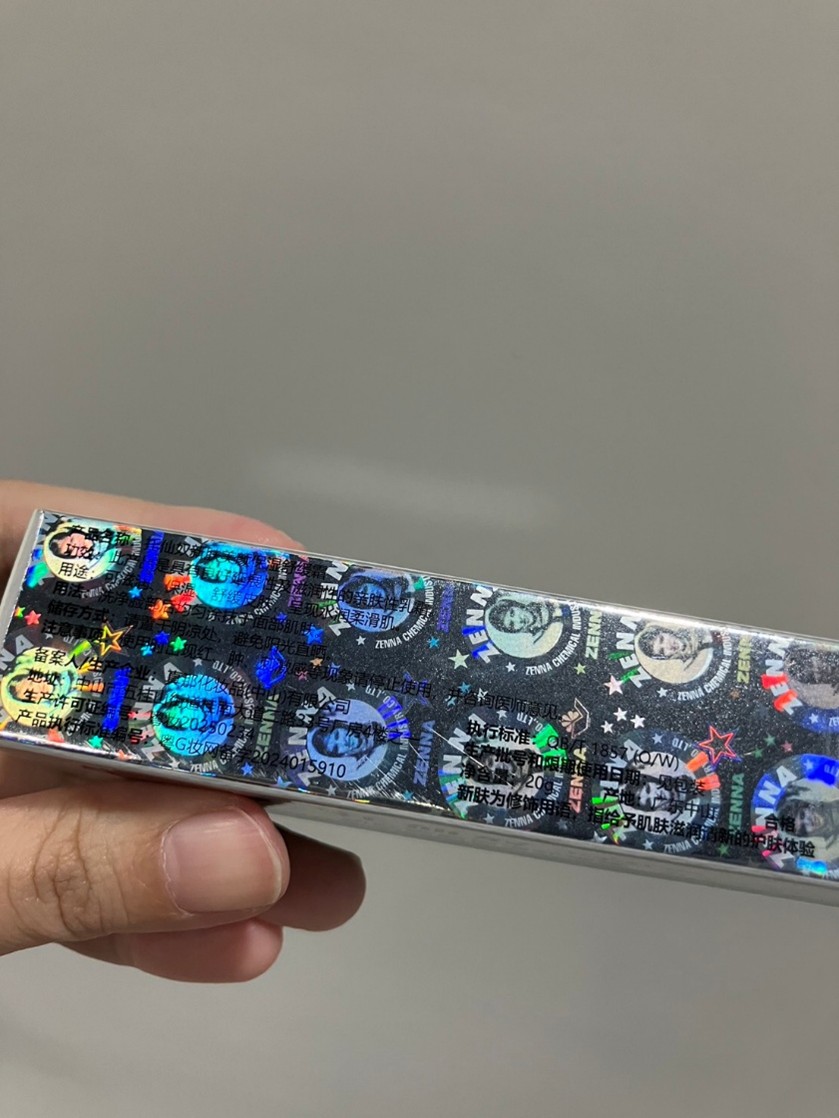
In addition, a custom holographic security film can be combined with QR codes, NFC tags, or serialized verification systems to provide a visible physical anti-counterfeiting feature alongside digital authentication.
Augmented Reality (AR)
AR can bring a package image or QR code to life on a phone screen. For example, a beauty product might offer a virtual try-on experience, while food packaging can provide access to recipe content. AR is also highly effective for collectible products, where animations, 3D views, or character-based interactions add an engaging new dimension to the purchasing experience.
IoT and Data Integration
The Internet of Things (IoT) connects sensors, identifiers, and logistics information with back-end systems. Depending on the configuration, it can support batch management, transport condition monitoring, inventory visibility, and interaction data tracking. While IoT is not necessary for every product, it can be valuable for brands seeking a clearer understanding of how goods move through the supply chain.
How Smart Packaging Enhances Brand Value and Boosts Conversion
Digital functions extend packaging beyond a single shelf or unboxing moment. They provide brands with a dynamic channel that can be updated, measured, and adapted as product information or campaigns evolve.
- Stronger Brand Engagement and Marketing: Scanned content can direct customers to tutorials, promotional pages, after-sales support, loyalty programs, or brand stories. This helps consumers engage more actively with the brand experience, strengthening their trust in both the product and the brand.
- Product Traceability and Anti-counterfeiting: Batch numbers, serial numbers, and verification pages enable customers to verify product information. Additionally, holographic security film provides a distinctive physical feature that makes counterfeiting more difficult.
- Consumer Insights and Optimization: Metrics such as scan volume, page visits, and campaign responses reveal which content captures audience attention. These insights can inform future packaging communication and marketing strategies without requiring access to complete personal data.
Smart Packaging Applications across Industries
The application of smart features varies across industries. Some brands prioritize transparent product information, while others require stronger authentication or more efficient methods for managing product records.
- Food & Beverages: Supports product traceability, freshness monitoring, and anti-counterfeiting measures.
- Healthcare & Pharmaceuticals: Enables tracking of expiry dates, communication of product safety information, and management of authentication processes.
- Cosmetics & Skincare: Provides product education, supports digital campaigns, and assists consumers in verifying product authenticity.
- Electronics & 3C Products: Supports serial number tracking, warranty registration, and installation guidance.
- Logistics & Retail: Enhances supply chain visibility and supports inventory management.
- Luxury & High-value Goods: Offers verification features that enhance product authenticity and increase buyer confidence.
Case Studies on Oriental Packing's Smart Packaging
Oriental Packing’s current smart packaging applications are primarily centered on QR code solutions. While technologies such as NFC and RFID offer additional possibilities for digital interaction, our project experience has mainly focused on QR code applications.
Digital elements can be seamlessly integrated into folding cartons, labels, and paper bags without compromising the overall appeal of the packaging design. The following examples highlight smart packaging solutions developed by Oriental Packing, illustrating how our design approach connects products to digital information, brand messaging, and enhanced consumer experiences across various product categories.
1. Beverages: QR Code Traceability for Greater Consumer Confidence
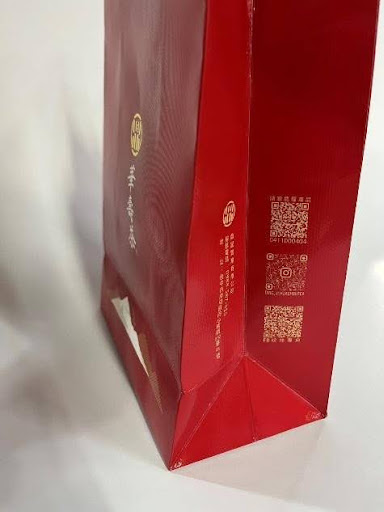
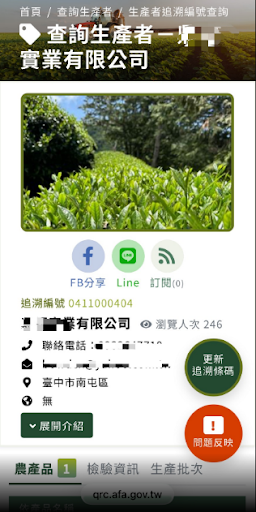
For a tea or food brand, the goal is to help consumers clearly understand the product’s origin while enhancing food safety and brand transparency. Printing dedicated QR codes on folding cartons or paper bags can link to source details, production batch information, and release dates. This provides customers with a convenient way to independently verify product records, builds their confidence in the product and brand, and enables the brand to communicate with greater transparency.
2. Cosmetics & Skincare: Custom Holographic Security Films for Brand Protection
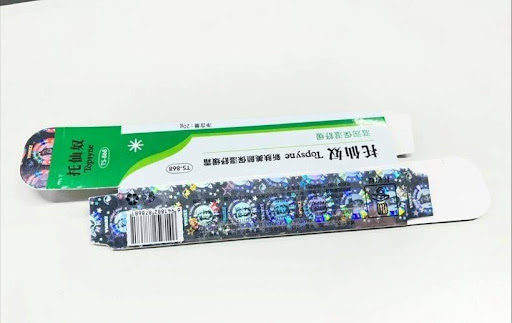
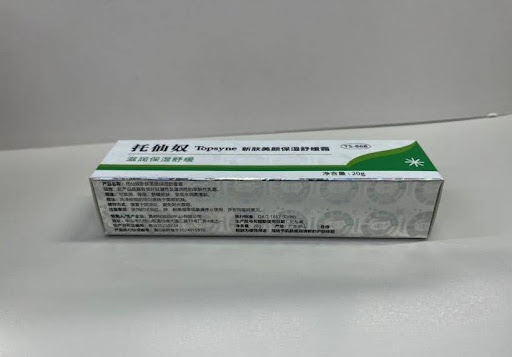
Beauty brands often encounter counterfeit products that undermine customer confidence and damage brand reputation. Applying a custom holographic security film to folding cartons creates a visible feature that consumers can use as a point of reference. While it does not completely eliminate the risk of counterfeiting, it significantly increases the difficulty of imitation, helps consumers verify genuine products, and enhances brand value and market competitiveness.
3. Electronic Components: QR Code Product Tutorials for Better User Experience
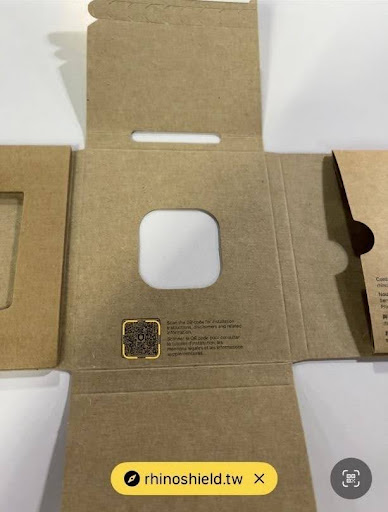
Electronic components and products that require multiple operating steps can be difficult to explain using only a printed manual. Including a QR code on the packaging directs users to an official website, installation guide, or tutorial video. This approach keeps printed materials concise, reduces customer service inquiries, and provides customers with access to more detailed support when needed, thereby enhancing the overall product experience and customer satisfaction.
FAQ
Conclusion: Smart Packaging Is the Future of Brand Competition
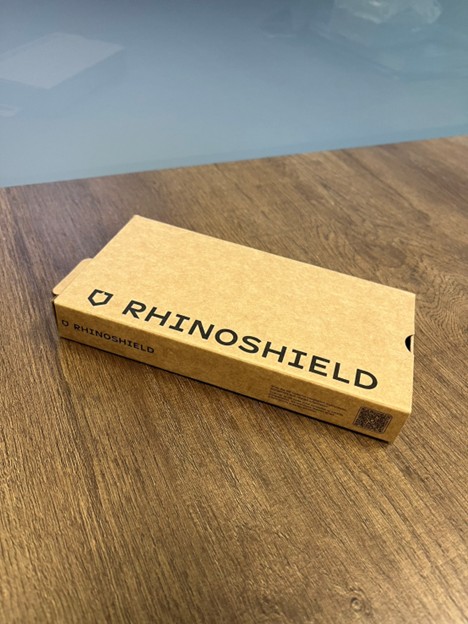
The value of smart packaging does not come from adding technology for its own sake. Instead, it lies in using the right features to make product information, verification, service, and digital interaction more accessible. As consumers increasingly expect transparency, convenience, and personalized brand experiences, smart packaging is becoming a crucial factor in future brand competition.
Oriental Packing delivers one-stop packaging services from design and prepress through printing and post-press finishing. Our standardized print management and automated post-press equipment enable efficient production of low-volume, high-variety orders while helping to control costs, reduce material waste, and maintain packaging quality. Our design work has been recognized with the iF Design Award and Golden Pin Design Award recognition, while our ESG initiatives include Sedex certification and participation in the EcoVadis assessment, making us Taiwan’s first printing and packaging manufacturer to achieve these standards.
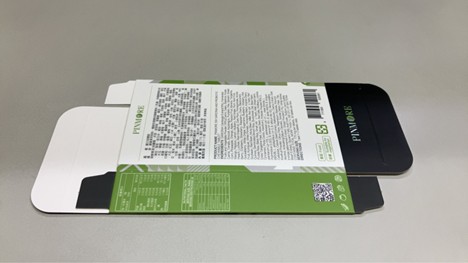
Oriental Packing is a professional custom packaging manufacturer. For brands looking for a packaging partner with experience in QR code packaging design, printing, and production, Oriental Packing provides customized solutions tailored to different product and brand requirements. Please contact us to discuss your next packaging project.