
The Science of Unboxing: Enhancing B2B Customer Experience through Structural Design
- The Science Behind the Unboxing Experience
- B2C vs. B2B Unboxing Experience: What Are the Differences?
- The Role of Structural Design in B2B Unboxing Experience
- Key Elements of B2B Packaging Structural Design
- Benefits of a Successful B2B Unboxing Experience
- B2B Packaging Applications across Industries
- Case Studies on B2B Unboxing Experience Ideas
- FAQ
- Conclusion: How Structural Design Strengthens B2B Customer Loyalty

For B2B buyers, a delivery may pass through purchasing teams, warehouse staff, distributors, or assembly-line personnel before reaching the final user. Their first point of contact is the package, not the product itself. At this stage, the priority is not to surprise but to confirm that the order is complete, organized, protected, easy to open, and ready for handover or use. A well-designed unboxing experience supports these needs and streamlines the delivery process.
The Science Behind the Unboxing Experience
An unboxing experience covers more than just the moment a box is opened. It begins with seeing and handling the outer packaging, continues through identifying the opening method, and concludes when the product is removed and inspected. These stages shape users’ expectations and satisfaction, which can influence their impression of the brand and future purchasing decisions.
People process these cues sequentially. Visual details establish expectations before opening, while texture, weight, resistance, and the opening mechanism influence whether the package feels controlled and well-designed. A clear opening path and an orderly interior reduce uncertainty. When users can immediately see the contents, understand how to remove them, and find products securely positioned, the experience feels more efficient and reassuring. In contrast, unclear closures, loose contents, or difficult-to-remove inserts can make even a high-quality product seem less carefully prepared.
B2C vs. B2B Unboxing Experience: What Are the Differences?
Both B2C and B2B packaging shape first impressions, although the contexts in which they are received and the evaluation criteria differ. B2C packaging typically emphasizes emotion and sharing, whereas B2B packaging must also facilitate inspection, handling, and transfer.
B2C Unboxing Experience
B2C packaging often emphasizes visual appeal, anticipation, a gifting atmosphere, and the desire to share purchases online. Elements such as color, texture, layered reveals, and subtle branded details can make receiving a product feel more personal. These features help customers associate the product with a specific mood or lifestyle.
B2B Unboxing Experience
A B2B unboxing experience focuses less on surprise and more on supporting the procurement and receiving process.Products may be shipped from a brand to a distributor, retailer, OEM partner, or corporate customer. For example, a cosmetics brand might ship products to a department store or distributor; an electronic component supplier may deliver parts to a factory assembly line; and an alcoholic beverage brand may supply products to a retailer.
The packaging must protect the contents, make quantities and components easy to verify, and enable staff to move products into storage, display, or production without unnecessary delay. A well-designed unboxing experience also helps establish a professional brand image throughout the purchasing process, from order evaluation and delivery to internal handover and ongoing supplier relationships.
When One Industry Serves Both B2C and B2B Markets

When a brand serves both B2C and B2B customers, its packaging must simultaneously meet different expectations. For example, in a bakery gift box, a consumer may prioritize attractive presentation for gifting, while a wholesale buyer requires reliable batch delivery, storage protection, and consistent quality upon handover. The same packaging can effectively serve both audiences when its structure supports the operational needs behind the final presentation.
The Role of Structural Design in B2B Unboxing Experience
A well-defined structure provides the opening process with a clear purpose. It safeguards the product during delivery and supports the receiving team once the shipment arrives.
- Protection: Ensures product stability during transport and minimizes the risk of damage caused by vibration, pressure, or improper handling.
- Opening Flow: Offers a clear and intuitive opening sequence, reducing the need for repeated tearing or excessive use of tools.
- Product Presentation: Uses layered structures and a carefully planned opening sequence to reveal products in a logical and professional manner.
- Ease of Removal: Enables staff to quickly and efficiently remove, inspect, count, and transfer products.
- Value Perception: Creates a polished unboxing experience that reflects careful planning and enhances the product’s perceived value.
Key Elements of B2B Packaging Structural Design
Structural design should be tailored to the product’s specific requirements and the way it will be handled throughout the supply chain. The following key elements help ensure that B2B packaging delivers reliable protection, operational convenience, efficient logistics, and a smoother packaging unboxing process.
- Product Protection: Select inserts, dividers, and securing methods based on the product’s weight, fragility, shape, and exposure to humidity and long-distance transportation.
- Structural Stability: Assess the box’s support, closure strength, and the available space for product movement inside the box.
- Stacking and Logistics Efficiency: Consider warehouse stacking methods, pallet configurations, and transportation space when determining package dimensions.
- Opening and Operational Convenience: Design the package to be easy to open, inspect, and unpack without damaging the product or disrupting the workflow.
- Material and Cost Balance: Use materials strategically to maximize protection. Avoid unnecessary bulk while ensuring product safety and maintaining a professional appearance.
- Modular and Standardized Design: Utilize adaptable structures to accommodate various product sizes. Standardized boxes and inserts can streamline inventory and production management.
Benefits of a Successful B2B Unboxing Experience
A thoughtful unboxing experience adds value through practical details that customers notice when receiving and using the product.
- Enhances Professional Brand Image: Demonstrates the company’s attention to detail and commitment to quality.
- Builds Customer Trust: A stable and consistent unboxing experience enhances confidence in the partnership.
- Increases Perceived Product Value: A refined unboxing experience strengthens the product’s professional image and reinforces its premium positioning.
- Supports Long-term Customer Relationships: A positive first impression can encourage repeat orders and ongoing collaboration.
- Enhances Business Competitiveness: Creates a unique point of differentiation in markets where competing products are otherwise similar.
B2B Packaging Applications across Industries
Different industries have unique packaging requirements. Well-designed packaging not only protects the product but also enhances its premium feel and reinforces the brand image. Packaging should safeguard the product, align with the customer’s workflow, and meet the specific expectations of each industry.
- Tobacco & Alcohol: Secures bottles and boxes for safe delivery, enhances gift presentation, and conveys a premium look that strengthens brand image and increases perceived product value.
- Cosmetics & Skincare: Keeps products organized, prevents damage from contact, supports retail display, and enhances the brand experience and visual appeal through a refined unboxing design.
- Dessert & Bakery: Separates products to prevent damage, presents gift assortments in an organized and attractive manner, and creates a memorable unboxing experience that enhances the perceived value of gifts.
- Hotel & Service: Organizes amenity sets and maintains a consistent, professional brand image.
- Industrial Components: Uses compartments and labels to organize parts and facilitate quick identification.
- Electronics: Protects devices and accessories from impact while displaying them in an organized manner.
- E-commerce: Protects products during shipping, facilitates easier opening and removal, creates a positive first impression, and strengthens brand loyalty.
Case Studies on B2B Unboxing Experience Ideas
A successful unboxing experience ideas always come from understanding what happens after the package reaches the customer. The following examples demonstrate how Oriental Packing employs practical structural solutions to enhance functionality and improve product storage.
Electronic Component: Hidden Hanging Tab Design for Added Functionality
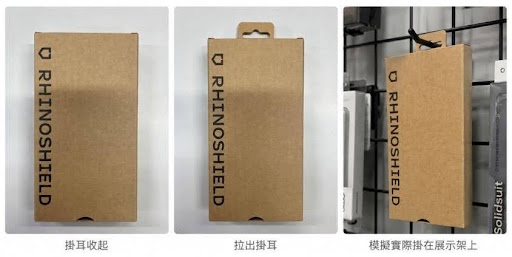
For an electronic component gift box, the packaging must not only ensure safe transportation but also support subsequent use in retail stores, warehouses, or operational settings. By incorporating a hidden hanging tab into the paperboard structure, the package can be repurposed after unboxing for hanging displays, product classification, or merchandising as needed. This design allows the packaging to continue serving as a versatile support tool in the work environment rather than functioning solely as a single-use transport container.
Food: Protective Paperboard Inserts for Improved Product Storage
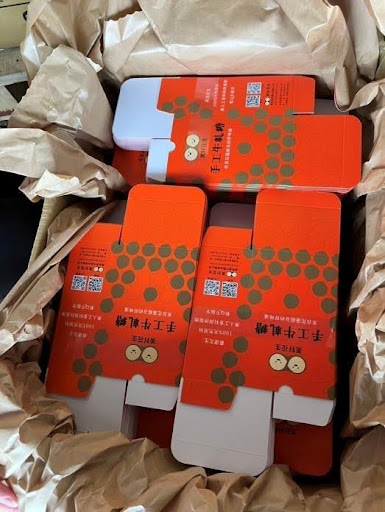
For food packaging, storage, and distribution, it is essential to balance moisture resistance with product protection. Depending on the product’s storage and delivery conditions, incorporating paperboard dividers inside the carton helps keep products separated and supported during stacking and transport, reducing collisions and compression between items. This design also lowers the risk of moisture penetration and pest contact, thereby minimizing loss and preserving delivery quality.
Protective Bag Packaging That Preserves a Premium Finish
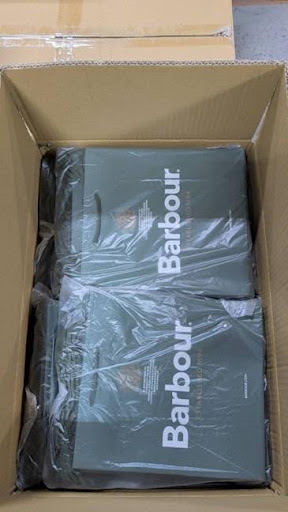
The surface of silver-foil bags can easily develop scratches from friction during transport and handling. To minimize the risk of the bags rubbing against each other, each bag is placed inside a clear protective sleeve before shipment. Upon arrival, the bags retain their pristine and bright appearance, allowing the recipient to immediately appreciate the packaging’s refined quality during unboxing, thereby showcasing the brand’s attention to detail and commitment to excellence.
FAQ
Conclusion: How Structural Design Strengthens B2B Customer Loyalty
B2B customers evaluate more than just the product itself. They also consider whether the delivery, inspection, and handover processes are orderly and reliable. A well-designed B2B unboxing experience makes these practical steps feel clear, efficient, and professional, allowing a brand’s value to be communicated from the moment the package is received. Custom structural packaging can further turn this experience into tangible evidence of quality control and dependable service.
If you are looking for a B2B packaging manufacturer to develop custom packaging for your products, Oriental Packing can provide a complete packaging solution from structural design and printing to production. Oriental Packing is a custom packaging manufacturer in Taiwan committed to quality, reliable service, and strict oversight of its production environment. We have obtained relevant certifications, including FSC® Forest Stewardship Council certification, ISO 22000, HACCP, SEDEX, G7 calibration system certification, and Color Quality Control certification. These certifications reflect our commitment to maintaining reliable production conditions and consistent quality throughout the packaging manufacturing process.
With iF Design and Golden Pin Design Award-recognized expertise and customized premium printing solutions, Oriental Packing helps brands develop packaging that protects products and enhances the delivery experience. Please feel free to contact us for further information.