
What is Eco-friendly Food Packaging: Materials, Applications, and Examples
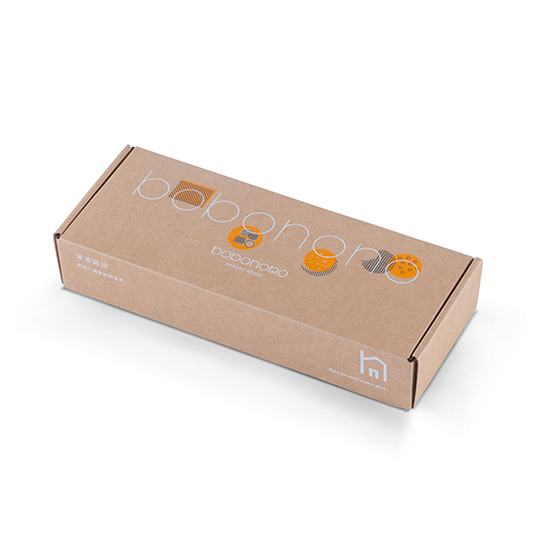
The global shift toward sustainable food packaging reflects growing awareness of climate change, carbon neutrality, and resource conservation. With international regulations such as the EU Packaging and Packaging Waste Regulation (PPWR) and plastic bans expanding across regions, brands are rethinking how packaging can protect products while minimizing environmental impact. Green packaging has thus become an essential strategy for companies aiming to achieve both environmental and business resilience.
What Is Eco-friendly Food Packaging?
Eco-friendly packaging, also known as sustainable food packaging, refers to materials and structural systems that are thoughtfully engineered to minimize environmental impact throughout every stage of their life cycle, from raw material sourcing and production to usage and final disposal. It involves not only the careful selection of renewable or recyclable resources but also the optimization of energy use during manufacturing and the application of design approaches that extend product usability.
These elements work together toward clear objectives: reducing resource consumption, lowering carbon emissions, preventing waste generation, and promoting a closed-loop system of recycling and reuse. Through the integration of life-cycle assessment and circular design thinking, planet-friendly packaging establishes a smoother, more cohesive process in which performance, functionality, and sustainability coexist naturally. Key features include:
- Recyclable: Materials can be recovered and converted into new products.
- Biodegradable: Naturally broken down by microorganisms under suitable conditions.
- Reusable: Designed for multiple uses to extend lifespan and reduce waste.
- Minimalist Packaging: Eliminates unnecessary layers and materials.
- Low Carbon Footprint: Manufactured with energy-efficient, low-emission processes.
Common Materials Used in Sustainable Food Packaging

Modern eco packaging materials for food are diverse, ranging from renewable bioplastics to recyclable paper products. Each option offers unique benefits and limitations.
Recycled Paper
PLA (Polylactic Acid) Bioplastic
Bamboo Fiber and Sugarcane Pulp
Glass Containers
Aluminum and Metal Containers
Recycled paper, such as kraft paper boxes made with post-consumer recycled pulp (PCR pulp), is an affordable and naturally decomposable option that remains easy to print while offering a clean, organic texture. Its minimal processing appeals to environmentally conscious consumers and supports recycling efforts, making it a common choice for takeout, bakery, and grocery packaging. Despite these advantages, limited strength and water resistance can affect performance for oily or liquid products, though improved coatings and fiber treatments are steadily enhancing its durability.
PLA packaging is made from cornstarch and other plant-based materials, forming a lightweight and transparent plastic alternative. It is biodegradable and compostable in industrial facilities, providing a renewable option that reduces dependence on fossil-based plastics. PLA performs well for cold foods and drinks, combining clarity with sustainable qualities. However, it offers low heat resistance and higher costs, and its composability depends on access to specialized treatment facilities.
Bamboo fiber and sugarcane pulp containers are biodegradable and compostable packaging materials made from agricultural residues such as bamboo scraps and bagasse. These fibers are molded into sturdy, heat-resistant forms suitable for hot foods and drinks. Their smooth, natural finish gives products a premium appearance while avoiding plastic use. Supply fluctuations and the need for specialized molding equipment can affect production stability and cost efficiency, making consistent manufacturing a continuing challenge.
Glass jars are reusable, chemical-free, and recyclable, offering long-term value for products such as sauces, jams, or beverages. They provide an airtight seal that preserves freshness and flavor, making them ideal for premium or artisanal foods. Transparency also allows consumers to see the product inside, enhancing visual appeal on store shelves. However, their weight and fragility increase transportation and handling costs, limiting large-scale distribution and making them better suited for smaller production runs.
Aluminum packaging is highly recyclable, durable, and lightweight, offering strong protection that helps maintain freshness and flavor. It is commonly used for canned beverages, pet food, and ready-to-eat meals because its natural barrier against light, moisture, and oxygen extends shelf life while resisting corrosion. Although energy use in production remains high, aluminum can be endlessly recycled without losing quality, supporting eco-aware efforts across industries.
Advantages of Eco-friendly Food Packaging
Adopting planet-friendly packaging supports global sustainability objectives and strengthens brand competitiveness by aligning environmental action with business growth. This approach benefits both the planet and the company, leading naturally to the following key advantages:
- Enhancing Brand Image: Building a forward-looking corporate reputation through a clear commitment to ESG (Environmental, Social, and Governance) values that reflect a responsible and future-oriented brand image.
- Attracting Environmentally Conscious Buyers: There is a high preference for green products, especially among Millennials and Generation Z. Sustainable packaging appeals to this growing segment.
- Mitigating Regulatory Risks and Carbon Emissions: Environmentally friendly designs extend shelf life, prevent spoilage, and lower overall carbon output while meeting regulatory expectations, such as stricter environmental laws on future carbon taxes and plastic bans.
- Expanding International Market Access: As many European and American brands now require suppliers to meet environmental criteria, early adoption offers a clear competitive edge in export markets.
- Providing Brand Narrative Material: Green initiatives provide authentic and compelling content for marketing, corporate storytelling, and communication, strengthening brand differentiation.
Challenges and Limitations
While the move toward planet-friendly packaging is commendable, practical implementation still faces several hurdles:
- Higher Cost: Initial investment and tooling expenses are higher, requiring economies of scale to reduce costs.
- Performance Limits: Some materials are less heat-resistant, moisture-resistant, or oil-proof compared to traditional plastics.
- Incomplete Recycling Infrastructure: Compostable materials require proper industrial composting facilities. In regions such as Asia, limited infrastructure means even compostable items may enter general waste streams.
- Supply Chain Variability: New bio-based materials face inconsistent availability, risking production delays.
- Consumer Perception: Some buyers remain skeptical about durability or price, highlighting the need for better education and communication.
Applications of Sustainable Food Packaging
Sustainability-oriented packaging solutions have expanded across multiple industries beyond food and beverage, reflecting a growing commitment to the circular economy.
- Retail & E-commerce: Recyclable or reduced-plastic packaging dominates online and in-store retail.
- Food & Beverage Industry: Paper and PLA containers replace single-use plastic bags and cups.
- Beauty & Personal Care: Refillable bottles and naked packaging reflect broader eco trends.
- Logistics & Transport: Paper fillers and honeycomb wraps substitute bubble wrap and foam.
- Healthcare & Supplements: Recyclable or biodegradable materials are increasingly used for outer boxes and manuals.
Case Studies of Eco-friendly Food Packaging
From tea packaging that transforms into reusable containers to gift boxes printed with soy ink, eco-conscious design now spans every corner of the food and lifestyle industries.
The following examples highlight packaging solutions created by Oriental Packing, illustrating how our design strategy brings sustainability and aesthetics together across different product categories.
Tea & Beverage Packaging: T2
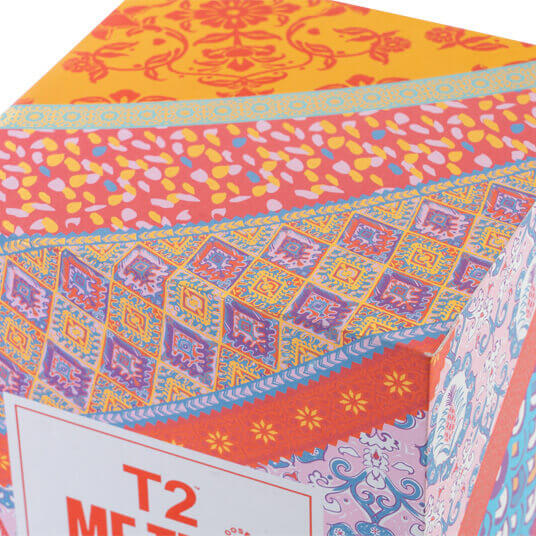
The T2 Flower Tea Gift Box shows how thoughtful design can balance elegance with environmental care. Its 100% recyclable paper, certified by FSC and B Corp, features a modular structure that can be reused as a small tray or box. The packaging follows a minimalist design, avoiding excessive materials while achieving effective protection and presentation. Printing with non-toxic ink and limited coverage lowers its carbon footprint, reflecting a strong commitment to circular design and green aesthetics.
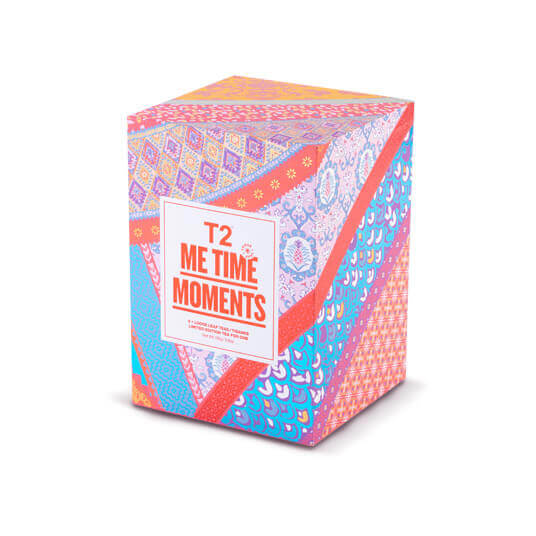
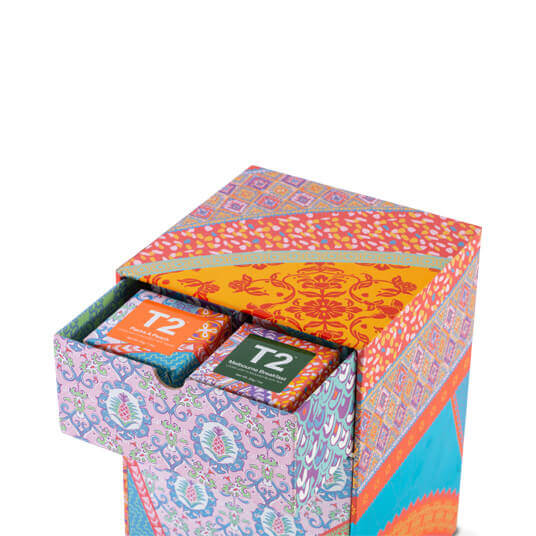
Discover more details about the design of T2 Flower Tea Gift Box
Food & Gift Packaging: Tung Tung
The Tung Tung Full Moon Gathering Gift Box highlights both cultural meaning and environmental responsibility. Its design symbolizes family reunion through simple yet elegant visuals, and the use of FSC-certified paperboard with soy ink printing emphasizes biodegradability and reduced environmental impact. This gift box demonstrates how eco-conscious paper packaging can merge festive sentiment with sustainability-driven values. In addition, the Oriental Packing design team was honored with the 2018 iF Design Award, reflecting our commitment to thoughtful, high-quality packaging craftsmanship.
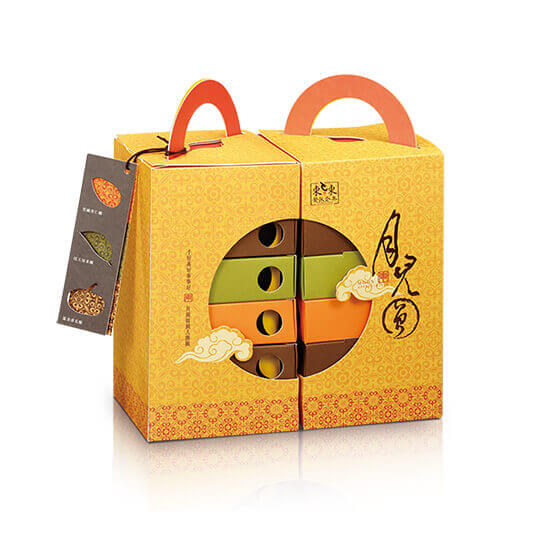
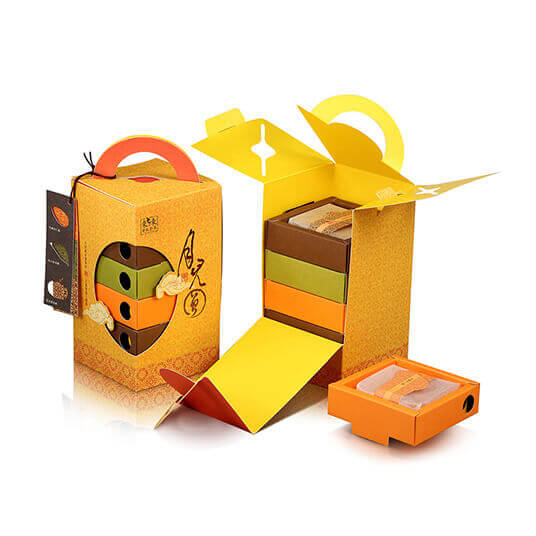
Discover more details about the design of Tung Tung Full Moon Gathering Gift Box
Conclusion
As sustainability becomes a global priority, green food packaging is both an environmental commitment and a smart business move. Many brands are reducing materials by choosing folding carton boxes for efficient structure and premium presentation.
Oriental Packing, founded in 1995, is a leading eco-friendly food packaging design company known for innovation, craftsmanship, and global vision. With award-winning creativity and unwavering quality, we transform packaging into a meaningful bridge of trust between brands and consumers. For custom packaging that aligns with ESG goals and elevates brand image, Oriental Packing offers FSC-certified, fully recyclable paper solutions. Contact us to create packaging that truly reflects your brand’s sustainable vision.