
Guide to Corrugated Box Packaging Design
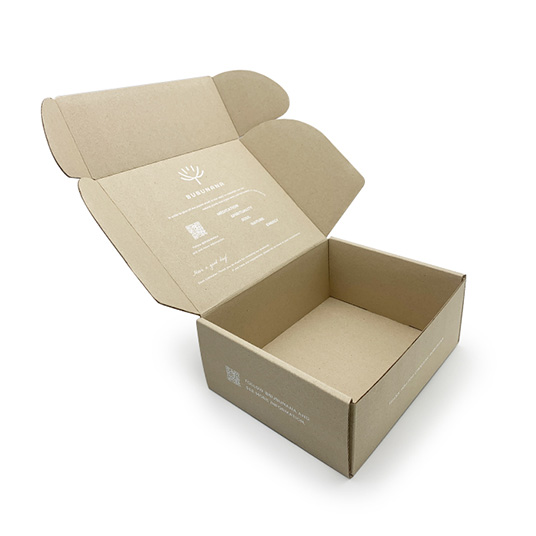
In everyday life, we often notice vibrantly printed and creatively designed corrugated boxes from retail stores and online deliveries, highlighting their visual diversity and growing role in daily logistics. Packaging has evolved from simple protection to an integral part of modern commerce, and corrugated boxes remain among the most widely used materials in the supply chain. A well-planned corrugated box packaging design not only protects products in transit but also expresses brand identity through thoughtful structure and visuals, improving customer satisfaction, minimizing waste, and streamlining logistics.
What Is Corrugated Box Packaging Design?
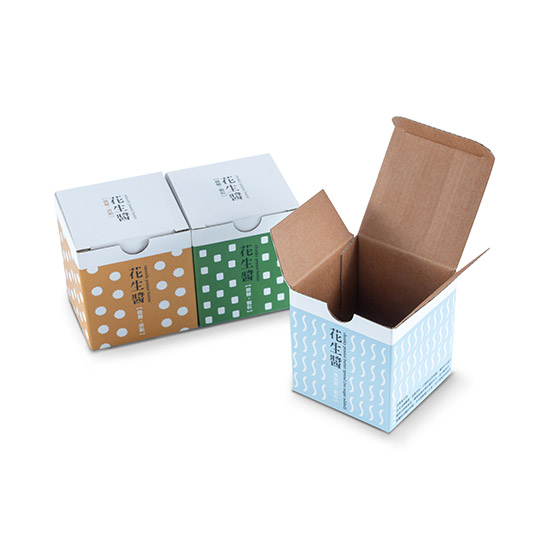
Corrugated box design refers to the process of matching board construction, physical performance, and finishing with the product’s intended use. It integrates material science, structure, and graphic design to fulfill packaging requirements in transportation, storage, and marketing. This process requires understanding how each layer of corrugated board contributes to durability and cushioning performance. It is also important to balance printing techniques, cost, and sustainability goals so that the final box achieves both functional and aesthetic objectives.
A typical corrugated box supports various functions, combining protective strength with informational and promotional purposes. It safeguards products during transit, allows efficient stacking, and serves as a medium for displaying essential details and branding graphics. These features make corrugated boxes adaptable across industries such as food and beverage, e-commerce logistics, electronics, fashion, publishing, healthcare, and beauty care, highlighting their importance in both utility and communication.
Benefits of Choosing Corrugated Box Packaging
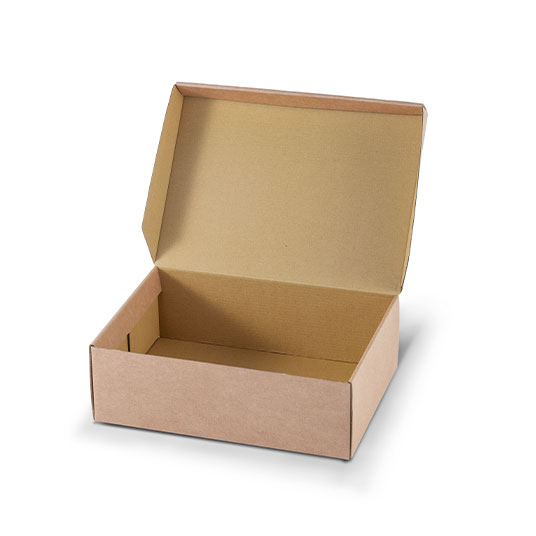
Corrugated cardboard is commonly applied for packaging thanks to its strength, affordability, and environmental benefits, making it particularly suitable for the demands of current markets and high-volume shipping.
-
Excellent Protective Performance
The wave-like fluted structure within corrugated boards provides remarkable resistance to compression and drops. Although paper alone is fragile, this engineered form transforms it into a durable cardboard capable of safeguarding products throughout the shipping process. It ensures the contents remain intact, reducing damage rates and product loss. This characteristic is particularly vital for fragile or heavy items, as the flutes distribute pressure evenly, enhancing both cushioning efficiency and overall cost performance.
-
Cost-Effective Solution
Corrugated packaging offers a truly economical option that delivers excellent value for investment. Its unit cost is typically lower than alternative materials, particularly when factoring in its impressive strength-to-weight ratio and reliable protection during transit. This affordability makes it an ideal choice for e-commerce, mass shipments, and subscription services requiring lightweight yet durable packaging. By optimizing space and reducing transport costs, companies can protect their products efficiently while improving overall profitability and market competitiveness.
-
Flexible Customization Options
Each box can be tailored in size, structure, and appearance to suit specific business needs. Companies can incorporate brand colors, logos, and messages to align with Corporate Identity Systems (CIS), creating distinctive packaging designs that reflect brand identity. High-quality printing techniques transform a simple container into a memorable brand extension that enhances the customer experience.
-
Environmentally Sustainable Choice
Corrugated packaging supports green manufacturing practices by using recyclable and renewable materials. Many producers now comply with FSC standards and adopt energy-efficient processes, aiming to reduce their overall ecological footprint through optimized resource use and lower emissions. This commitment to sustainable packaging aligns with the growing global demand for responsible and eco-conscious brands.
Common Box Styles
Corrugated boxes vary in form depending on their purpose and assembly method, each offering distinct advantages in strength, efficiency, and presentation for practical yet visually appealing designs. Common types include:
- Regular Slotted Container (RSC):The most common box style with all flaps of equal length that meet at the center when closed, suitable for general shipping needs.
- Half Slotted Container (HSC):Similar to RSC but without top flaps, often paired with a separate cover for easier product access.
- Full Overlap (FOL):Features fully overlapping flaps that provide added strength and resistance to crushing.
- Overlap Slotted Container (OSC):Similar to FOL but with partially overlapping flaps, providing moderate reinforcement for medium-duty shipping applications.
- Center Special Slotted Container (CSSC):Inner and outer flaps meet at the box’s center, doubling the corrugated thickness for added strength and forming a flat base for support.
Other types that follow are combination or multi-piece structures suitable for products that need extra protection or display features, and they can also be customized into high-end specialty shapes:
- Telescope Box:Composed of a separate top and bottom section, ideal for premium or fragile items requiring double-wall protection.
- Bliss Box:A three-piece structure, constructed with two end panels and a body piece, known for superior stacking strength and ideal for heavy or large items.
- Tray:An open-top design often used for product display or as a base for other packaging.
- Special Die-cut Shape:Custom-shaped boxes cut with precision dies to achieve unique forms and branding aesthetics.
Corrugated Box Design Process at Oriental Packing
Oriental Packing follows a structured process that ensures precision, functionality, and creative integration from concept to completion, delivering high-quality, customized packaging with careful attention to detail at every stage.
Step 1: Requirement Assessment
The design team begins by understanding the product’s nature, storage conditions, and transportation needs. This stage involves analyzing protective requirements, assessing handling environments, and clarifying user expectations to create a clear design framework.
Step 2: Professional Design Planning
With a clear understanding of the requirements, the design team moves into the detailed planning stage. The team then focuses on three key design aspects:
- Material selection involves determining the flute type, board thickness, and any special features such as moisture or heat resistance.
- Structural design ocuses on optimizing box dimensions, stacking patterns, and usability features like handles or ventilation holes
- Graphic design complements this by incorporating branding elements, defining printing methods, and visual layouts to enhance recognition and appeal.
Step 3: Quality Verification
Before moving to mass production, rigorous quality checks are essential to validate the corrugated box design, including compression, drop, and stacking tests to confirm durability and safety. Samples are then reviewed for material consistency and finishing accuracy to guarantee every box performs reliably in real-world applications.
Step 4: Production and Delivery
Finally, we maintain strict quality standards throughout manufacturing, with flexible scheduling and timely delivery. Each production phase is carefully monitored to confirm stable performance, cost efficiency, and consistent visual results.
Key Design Considerations
To create an effective and reliable packaging solution, it is important to consider several key aspects that influence both performance and user experience:
- Product Protection: Packaging must match the product’s fragility, shape, and handling requirements to guarantee secure delivery.
- Regulatory Compliance: Each design must meet international standards and obtain relevant certifications, such as FSC certification for responsible sourcing, and comply with food safety regulations when needed.
- User Convenience: Thoughtful features such as easy opening, efficient sealing, and simplified assembly improve usability and customer satisfaction.
- Brand Representation: Packaging should visually communicate the brand’s style and values, strengthening recognition and consumer trust.
Case Studies of Corrugated Box Packaging
Innovative design goes beyond simple utility, creating a memorable experience and reflecting the brand’s commitment to quality and sustainability. Below are packaging projects designed and developed by Oriental Packing, demonstrating how thoughtful packaging design for box applications brings structural creativity and sustainability together in real projects.
Beauty & Skincare Packaging: esmi
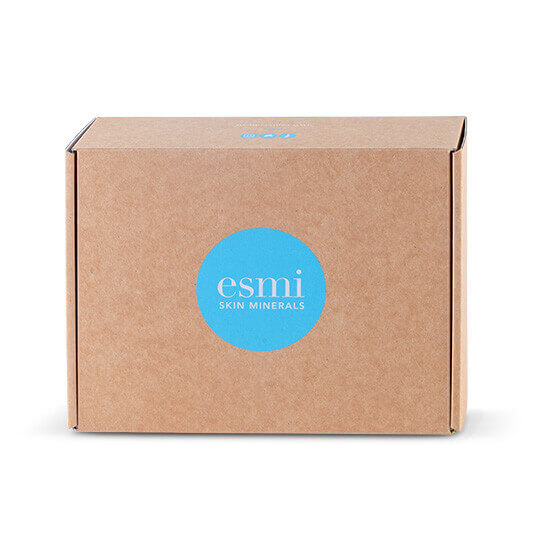
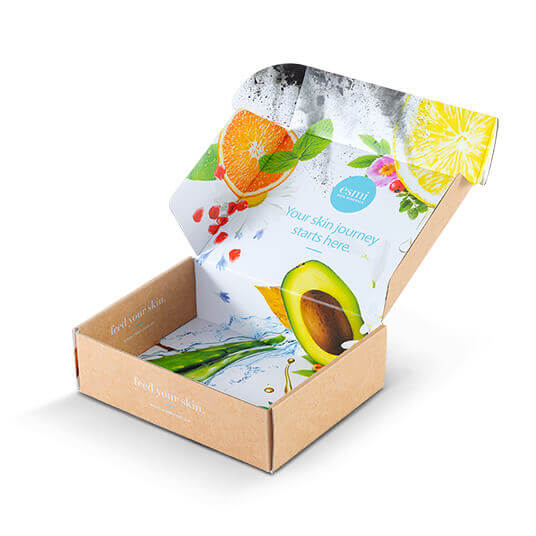
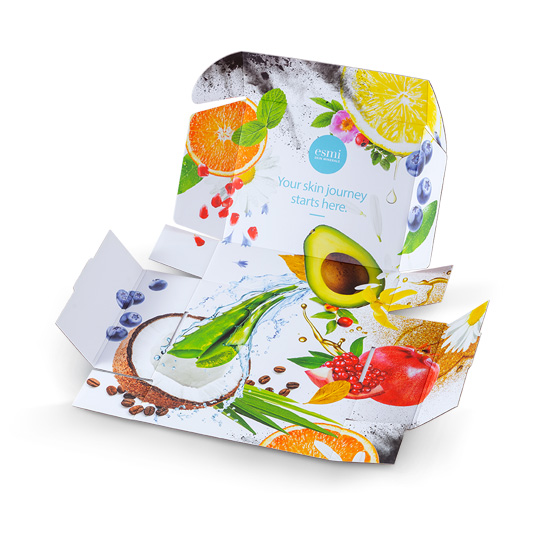
For a cosmetic brand esmi, refined Mailer Boxes were developed to emphasize sensory experience while leveraging the sturdy nature of corrugated board to provide reliable protection throughout courier and logistics handling. The packaging featured a reusable colorful inner tray, turning the unboxing process into part of the skincare ritual. Using FSC certified packaging design, selective varnish, and controlled ink coverage, the structure achieved both elegance and sustainability while aligning with the brand’s identity.
Electronics & Tool Packaging: Hafren Fasteners
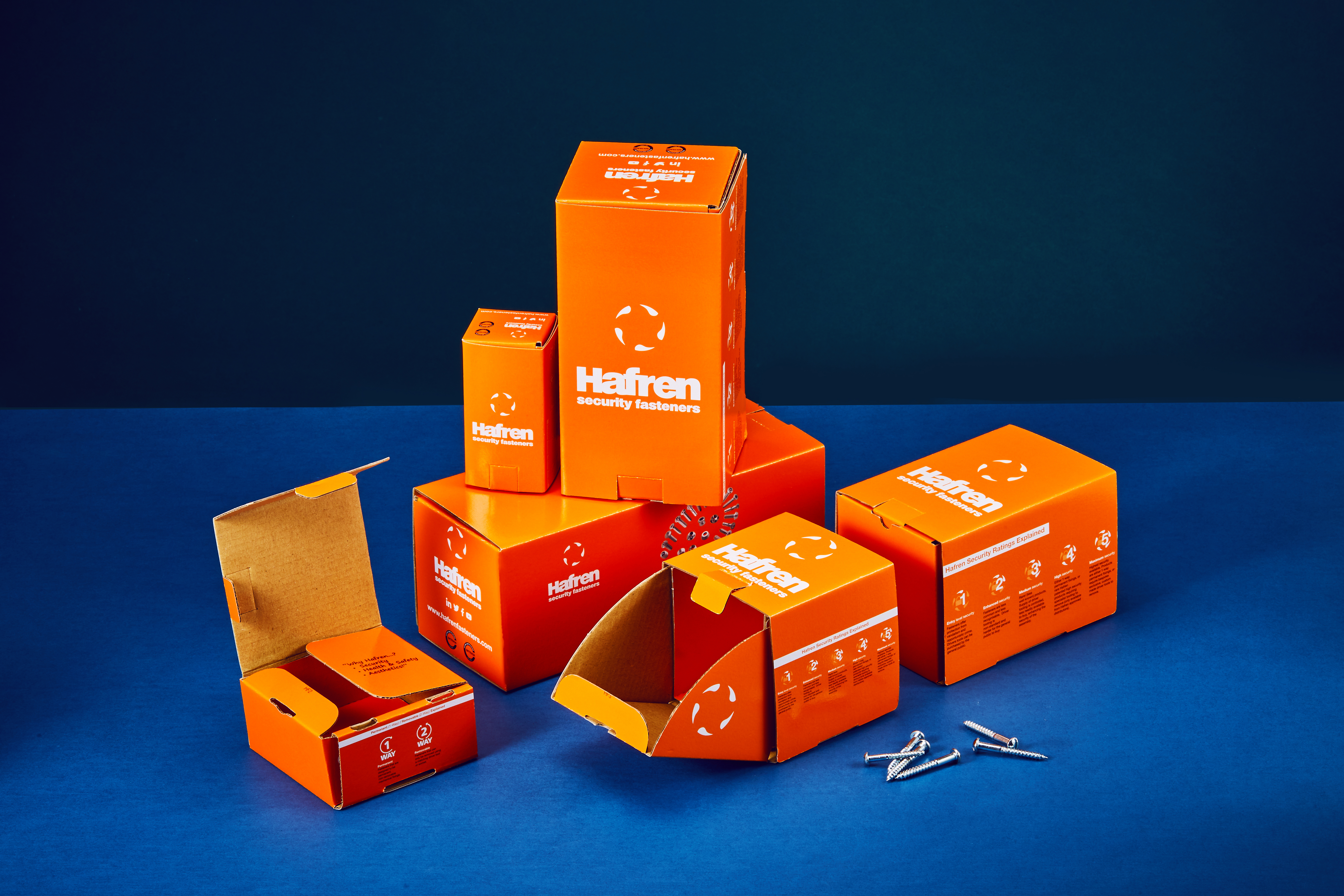
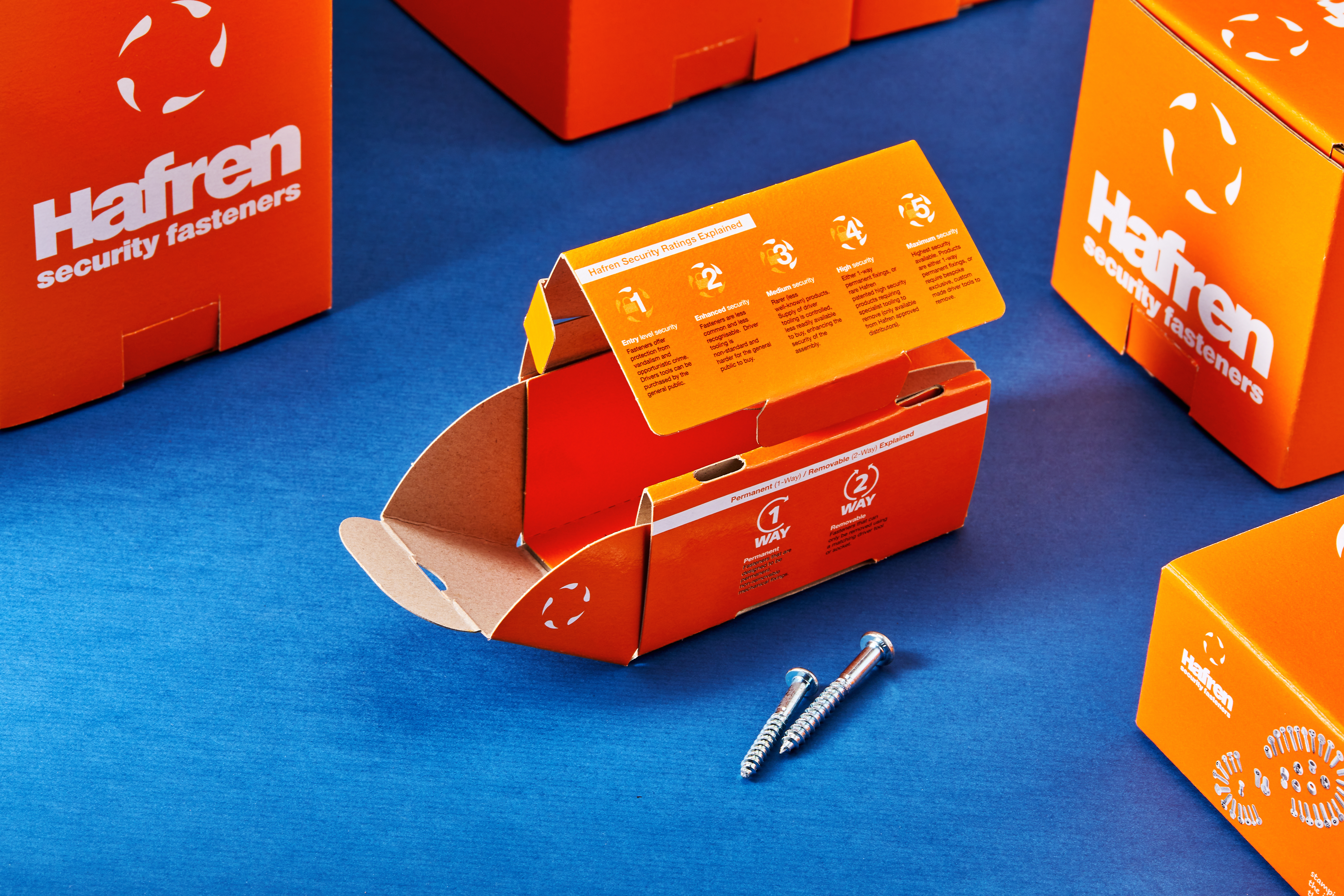
For the industrial brand Hafren Fasteners, durable Tools Product Packages were designed featuring a one-piece structure and anti-scratch glossy finish. The integrated design ensured stability and ease of handling, while recyclable packaging solutions supported the client’s environmental goals. This demonstrates how functional strength and aesthetic quality can coexist within industrial corrugated packaging, simplifying the tone and maintaining clear cause and effect.
Learn more details about the design of Hafren Fasteners’ tool product package
Conclusion
An effective corrugated box packaging design seamlessly blends structure, branding, and sustainability into one cohesive solution. Thoughtfully designed boxes go beyond protection, enhancing customer perception, minimizing environmental impact, and reinforcing brand value.
Founded in 1995, Oriental Packing is a globally trusted corrugated box packaging manufacturer known for innovative design, international market insight, and unwavering quality—delivering creativeand reliable corrugated box packaging design solutions for brands worldwide. Contact us to discover how we can create packaging that truly represents your brand.